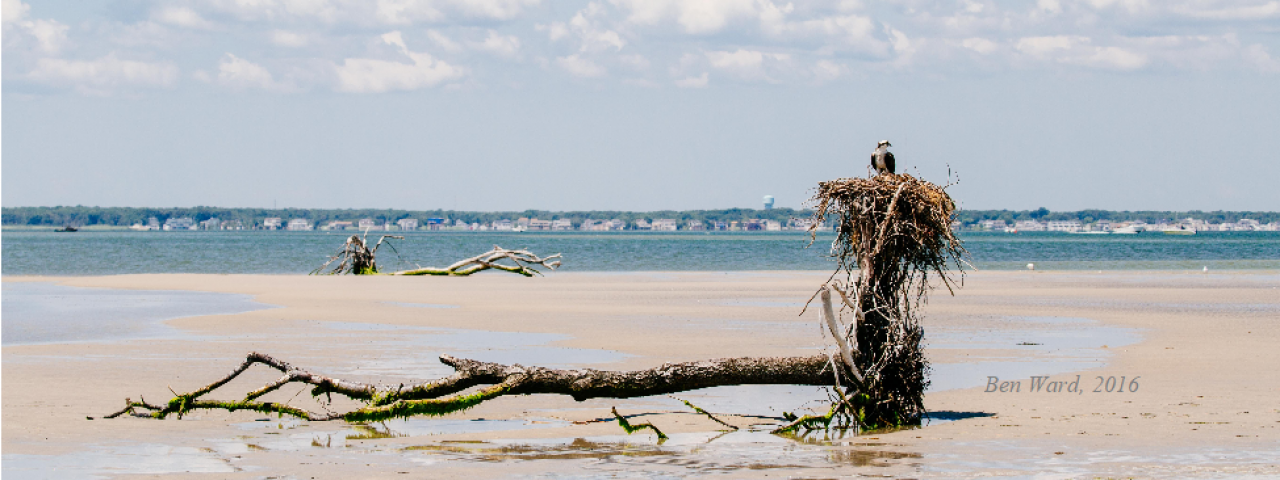
Project Osprey Watch is still a relatively new program, having first started in 2012, this volunteer-focused osprey nest monitoring program has yet to hit its first decade of compiling data and observations. That being said, the program definitely has areas where it can improve from a public outreach and messaging perspective. First of all, it should be noted that a big reason why outreach is lacking with Project Osprey Watch is because all the program coordinators and experts are full time professors and researchers. Therefore, they do not have the same time and resources available to allocate towards messaging and outreach as some non-profits do. According to Osprey Watch’s data, the project has been steadily losing numbers of volunteers annually. Furthermore, the administration has not shared any updates or news articles on the projects website since 2015. Similarly, there are no annual reports or updates about ongoing research with ospreys.
Obviously, because Project Osprey Watch relies so heavily on volunteer support, the program is not a high funding priority, even within the Center for Conservation Biology – its hosting organization. Moreover, the press releases and public outreach components have been left primarily with the community organizers and the volunteering entities. For example, Delaware promotes Project Osprey Watch through their Department of Natural Resource and Environmental Control: Division of Fish and Wildlife; and the state of New Jersey deserves special commendation for their contributions to the program, mentioned in last post. However, the program could gain from a dedicated coordinator position to manage volunteers, reporting, and administration. Project Osprey Watch would benefit tremendously from monthly or quarterly newsletters, and at the very least an annual report including photographs, mission statements/goals, acknowledgements, and any pertinent data and information from that year’s survey. Right now, Project Osprey Watch volunteers mostly come from organizations like the Virginia Master Naturalists and other outdoor/education based groups, however, publishing articles in a periodical, like the Bay Journal, can help spark interest and recruit volunteers from other demographics.
 Project Osprey Watch